How watering by hand saves me time -and stress - in the garden
Updated: Dec 12, 2025
OK, so this might be a point of contention with many gardeners I talk to, but I don’t like, use, or agree with fancy irrigation systems. In my mind, they’re one of the main reasons so many gardens fail, and why so many gardeners become disconnected from what they’re actually trying to grow.
I know, I know - some of you are probably wondering in disbelief how on earth it’s possible to maintain a thriving garden without drip feeders, built-in timers, or soak hoses. Aren’t those things essential? In short: no, they’re not. In my experience, these so-called “time-saving systems” often end up causing more stress - and taking more time - in the long run. Soak hoses clog with dirt and fail to water deeply or evenly, timers stop working, and blanket misters can easily spread disease.
But perhaps the biggest problem of all is that this “time saving strategy” is removing you from your garden, meaning you aren’t getting out there and observing it – and what is going on with the plants in it - as often as you should.
Now, I’ll admit - I am a fan of sprinklers. You know, the ones with a simple attachment you just plug into your hose. They’re great for shallow-rooted leafy greens like lettuce, and for thirsty crops that catch and funnel water well down to their roots, such as sweetcorn and silverbeet.

But set a sprinkler over tomatoes or eggplants, and you’ll quickly run into low pollination rates and a higher risk of disease. And using one on plants with large leaves - like pumpkins - is pretty fruitless, as the leaves actually block most of the water from reaching the soil and roots. So they, along with other summer fruiters like tomatoes, peppers, and cucumbers, and heavy feeders such as celery and leeks, really benefit from deep, thorough watering - by hand - and with a hose.
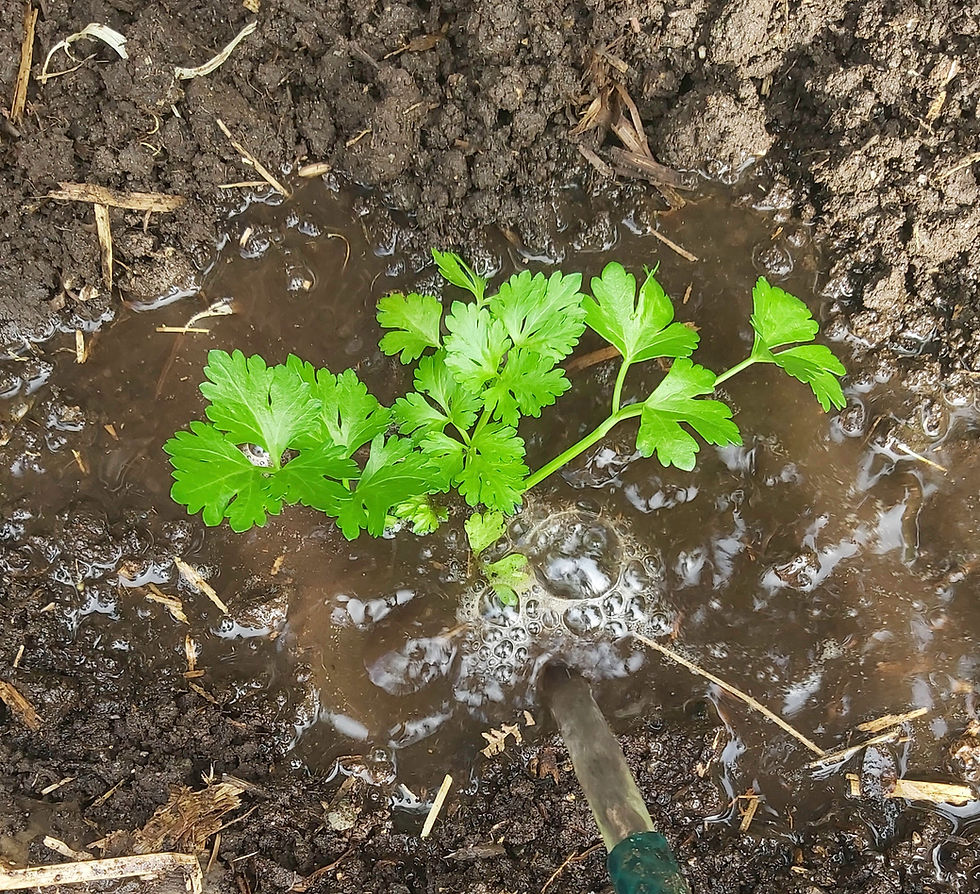
Now you may be rolling your eyes thinking yeah well, she must have hours to spare each day. I can assure you I don’t – in fact I have been watering in this way while juggling babies, working split shift jobs and through the time constraints and intricacies of developing my own business. However, although it is another job I am adding to my already busy list of tasks, I have found that watering my garden by hand actually saves me time in the long run. While I am standing there watering, I’m being present, observing the garden, checking for problems, and adjusting things where needed.
I can get on top of pests and diseases before they become a problem
As touched on earlier, watering by hand allows me to be observant and present in my garden — which is especially important in summer, when pests and diseases can emerge out of the blue. Instead of being disconnected from my garden (as can happen when you just flick a switch to turn on a system), watering by hand means I’m out there often, with eyes on everything. I can spot potential problems early and take action fast. A spray bottle filled with water and a dash of dishwashing liquid can deal to aphids before they take hold, infected cucumber leaves can be pruned off the moment powdery mildew appears, and if something serious like early blight shows up on potatoes or tomatoes, I can remove the affected plants straight away before it spreads.
I can multi-tasking while watering
Being out there with the hose is the best time to tick off other small jobs that need doing around the garden, so I always multitask as I go. With tomatoes, for example, I can tie in leaf and lateral pruning, string up the plants, and hand-pollinate flowers all while watering. At the same time, I’m checking under leaves for pests, looking for signs of blossom end rot, and inspecting stems for blight. When it’s time to move on, I simply reposition the hose and continue. With crops like peas or gherkins, I might add strings to supports, harvest fruit, or lay mulch while I water. Efficiency is key here - just make sure the extra tasks don’t take you too far from the area you are watering.

I can take note of “to-do” jobs for later
Having a constant presence in my garden helps me see what jobs need attending to and what garden tasks I may have coming up. It could be a crop that needs harvesting before it goes to seed, an area that needs mulching before weeds take hold, or a structure that needs a repair job. Instead of noticing jobs only when they’re in dire need of being done, I can anticipate them early, make a mental list in order of priority, and plan them into my week. It’s a simple but powerful rhythm that keeps me one step ahead.
I’m avoiding irrigation system failure
This one might not seem obvious, but having an irrigation system set up will inevitable mean that you are spending much of your valuable time fixing blockages, replanting crops that might have failed from uneven watering, and troubleshooting things like timers that didn’t turn on. As is often the case with these systems, you tend to end up with areas that get overwatered or watered in the wrong way (take something such as tomatoes, which don't like getting their leaves wet), while other parts of the garden could end up bone dry through. And to top it off, you will still need to do some deep watering for certain crops anyway. For me, that’s just too many variables, and I’d rather do it right from the beginning.
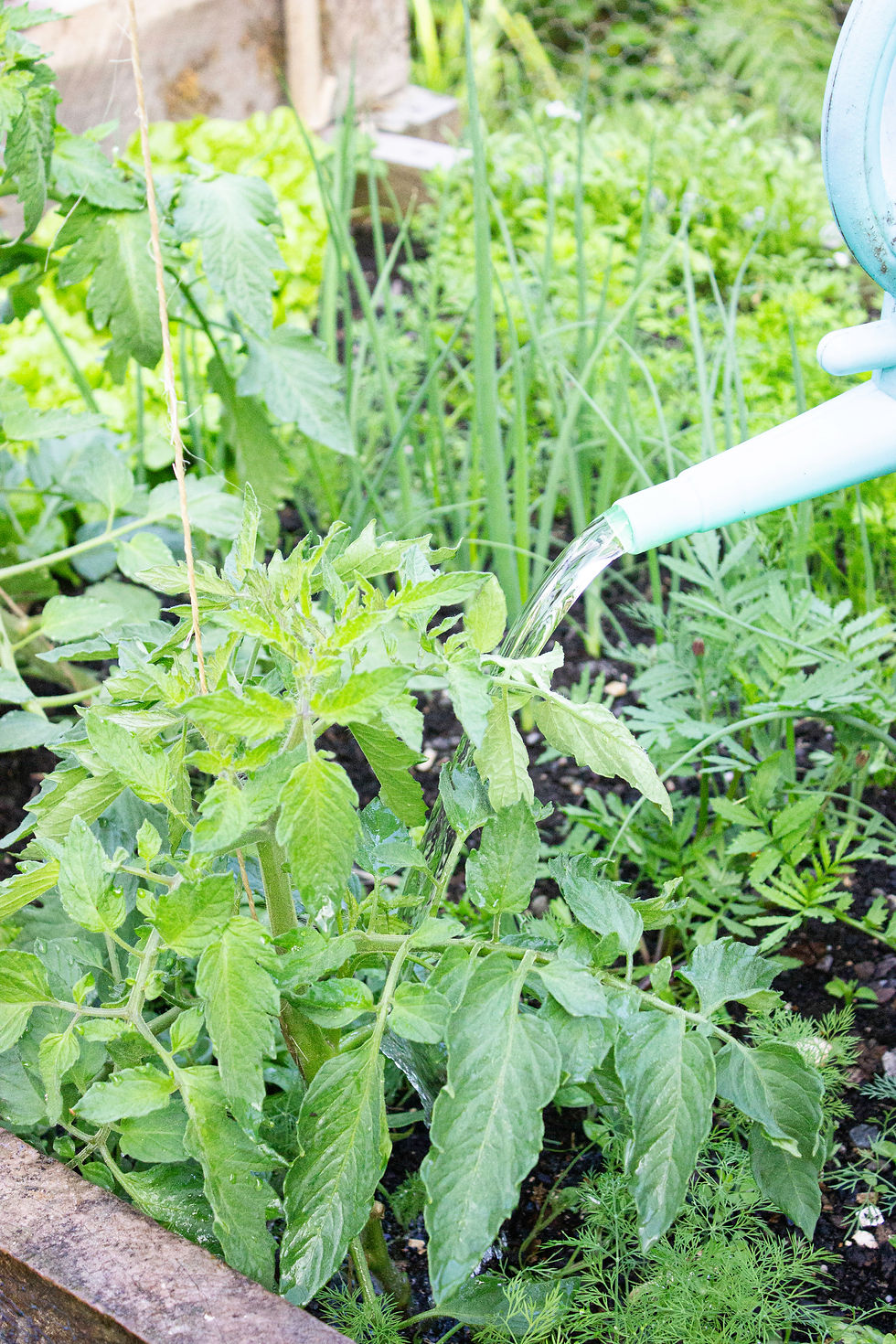
. Observing while watering
I can observe and be present while I am watering
Ultimately, watering by hand keeps me connected. It forces me to slow down, to notice how everything is growing and changing day to day. The garden tells me so much when I’m out there - what’s thriving, what’s struggling, what needs harvesting and what needs my attention - now! It’s not just about watering the plants; it’s about tending to the whole system and staying in tune with it. And that, in turn keeps me present and saves me far more time (and stress) than any automated setup ever could.
Feeling inspired to take the next step on your land? If you’re craving clarity and a simple plan to design a productive, family-nourishing food system so you can grow a thriving year-round source of fresh organic food for your family - I’d love to support you inside my Nourishing Kitchen Garden Mentorship.
Find out more here → https://www.kitchengardenrhythms.com/


Comments